Siloed Systems & Fragmented Care
A research project exploring whether service design can help fix fragmented data systems in the NHS, specifically looking at data systems within maternity care.
The Challenge
Patients across the Pan-Dorset region frequently move between different healthcare settings where crucial records fail to follow them, risking patient safety and creating clinical friction. Navigating complex institutional hierarchies alongside patient vulnerabilities was a significant hurdle, pushing me to balance critical service analysis with real-world participatory design.
The Result
By evaluating platforms like BadgerNotes alongside traditional paper workflows, the work demonstrates how public sector design can transform disjointed record-keeping into a cohesive, user-friendly experience. This project deepened my focus on civic healthcare systems and showed how design can champion equity, trust, and patient empowerment within massive public infrastructures.
Bridging the Maternity Care Divide
Focusing on maternity services across the pan-Dorset healthcare system, this project investigates how disparate records impact both patient agency and clinical workflows.
“How might service design transform fragmented clinical records into an empowering, continuous care experience for families?”
Participatory Research & Systems Mapping
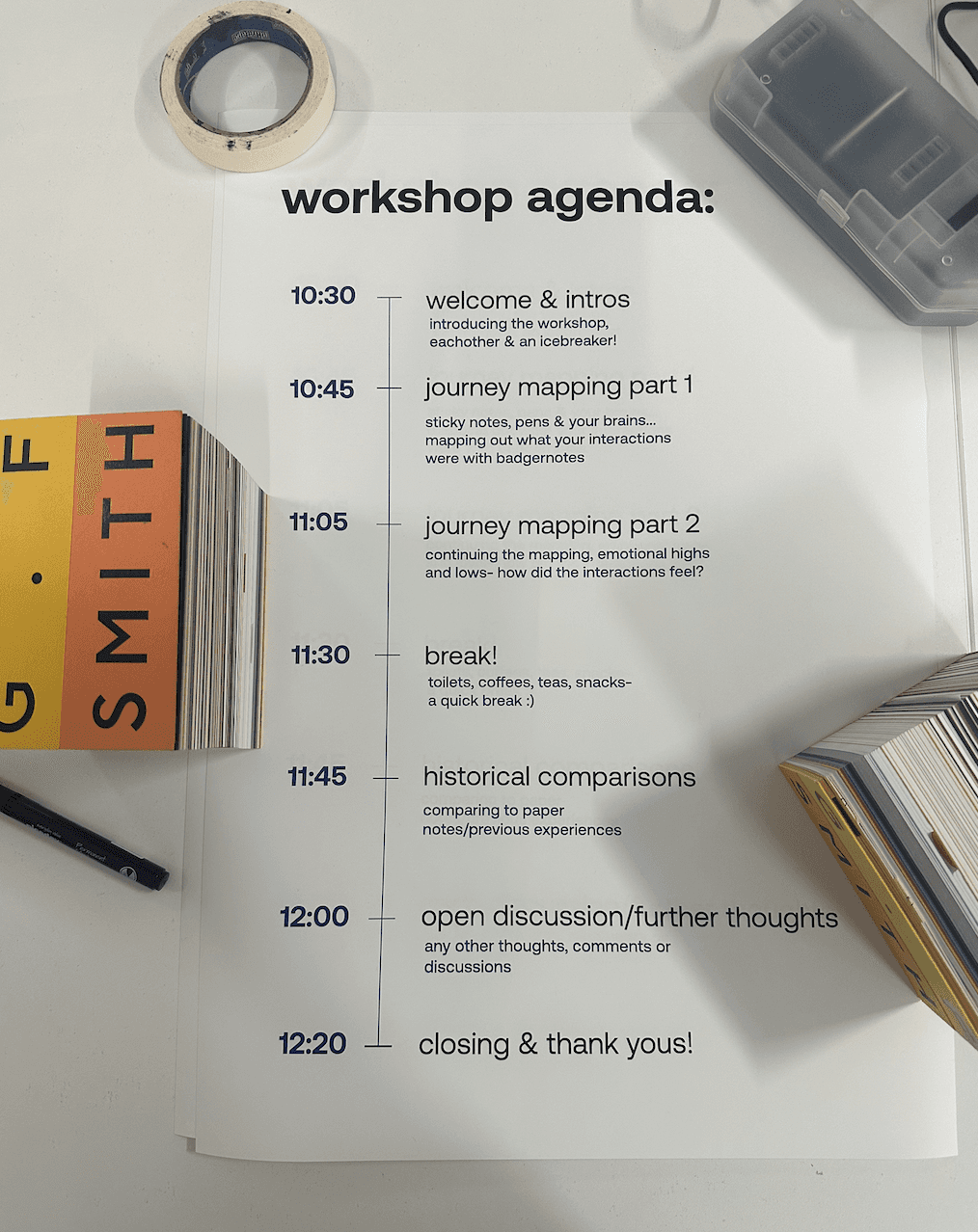
To uncover the lived reality behind systemic data silos, the project combined qualitative user interviews with a collaborative workshop involving both NHS staff and service users. Mapping the tension points between digital platforms (such as BadgerNotes) and traditional paper notes revealed where technical architecture often fails human needs.
- Touchpoint 1: Comparative Patient Journey Maps (Digital vs. Paper Records)
- Touchpoint 2: Multi-Stakeholder Workshop Syntheses & Service Blueprints
- Touchpoint 3: Strategic Framework for Digital Inclusion & Cultural Adoption
The findings demonstrate that while digital tools offer clear paths toward empowerment, real systemic change requires pairing service design with institutional culture shifts and proactive digital inclusion.